One of the most common questions I get as a photographer is:
“What’s the difference between posed photography and lifestyle photography?”
The short answer is this: posed photography focuses on creating a perfectly arranged image, while lifestyle photography focuses on capturing authentic connection and emotion in a natural way.
But there’s so much more to it than that. Understanding the difference can completely change the way you approach your photo session and the kind of memories you walk away with afterward.
As a photographer, I personally lean heavily toward lifestyle photography because I believe the most meaningful images are the ones that feel real. The ones that bring you back to a moment instead of just showing you what everyone looked like standing still and smiling at a camera.
What Is Posed Photography?
Posed photography is exactly what it sounds like: carefully directed images where the photographer intentionally places people in specific positions.
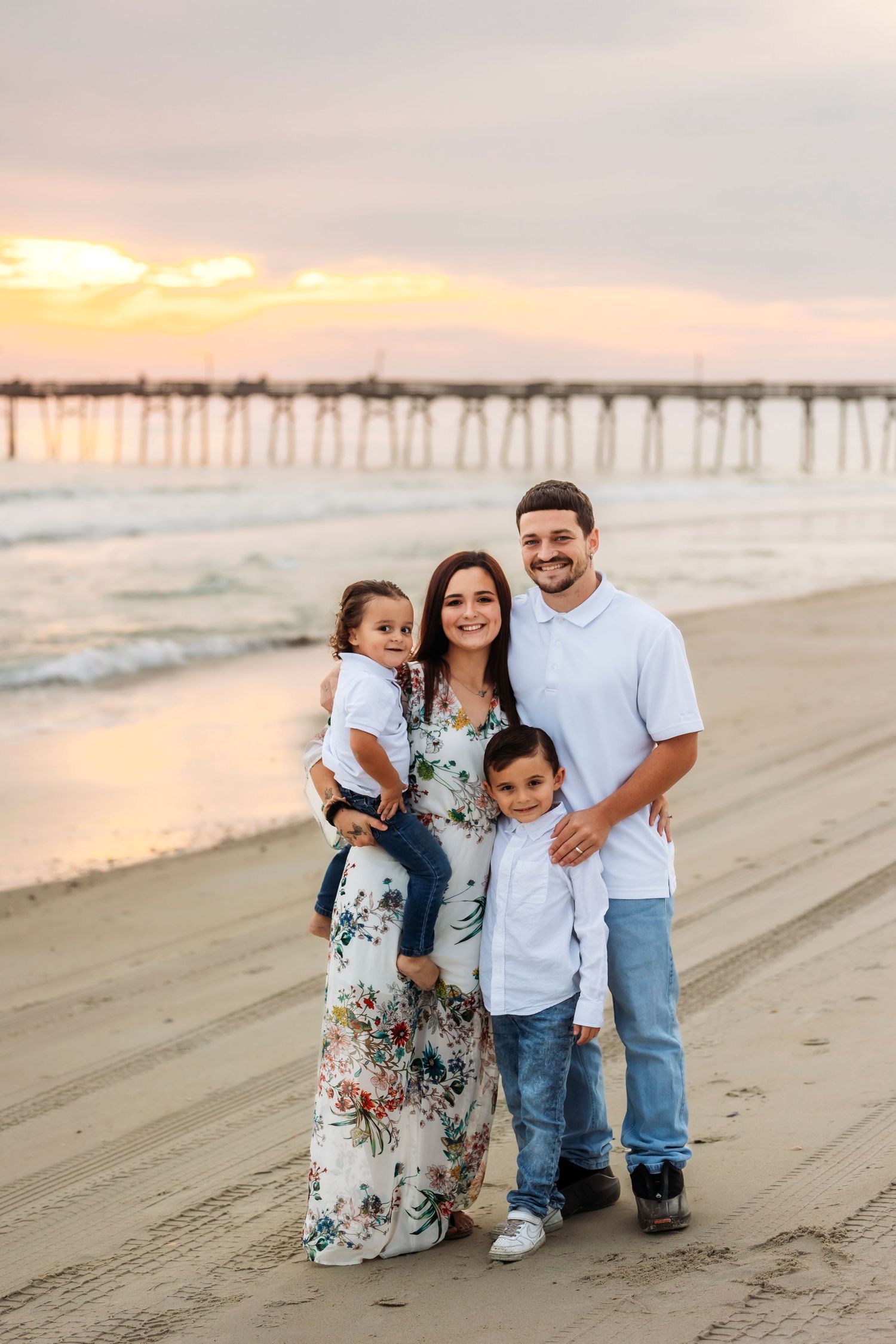
This style is often more traditional and structured. Everyone is told where to stand, where to place their hands, where to look, and when to smile. The focus is usually on creating a polished, technically perfect image.
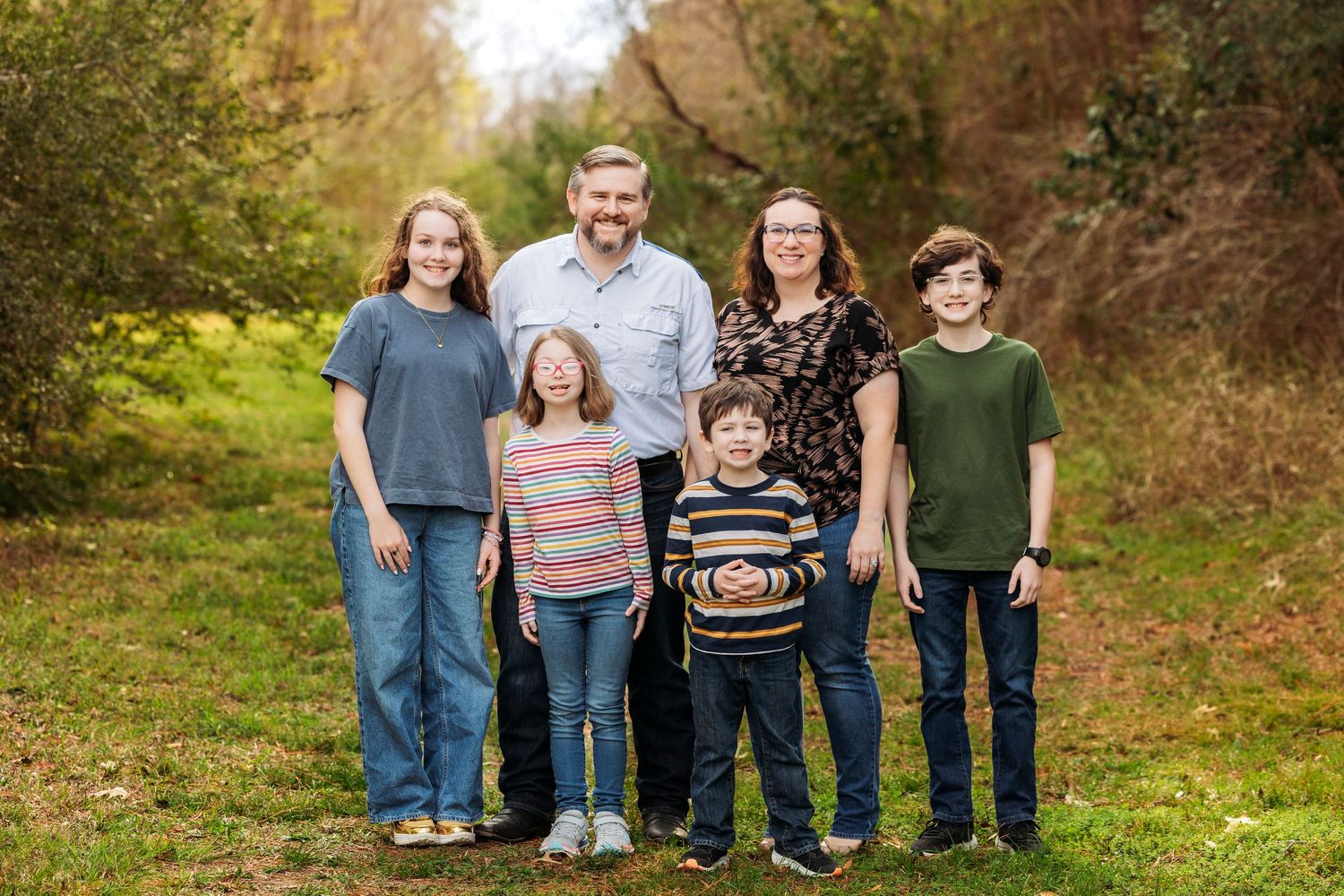
There’s absolutely a place for posed photography. In fact, almost every photographer—including lifestyle photographers—uses some level of posing during sessions. Formal family portraits, wedding party photos, senior portraits, and holiday cards often benefit from a bit of direction.
Posed photography can:
Create clean, classic portraits
Help large groups look organized
Ensure everyone is looking at the camera
Produce symmetrical, polished images
Work well for traditional portrait styles
But posed photography can sometimes feel stiff if there’s too much emphasis on perfection. When every movement is controlled, people often become hyper-aware of the camera. Smiles can start feeling forced. Kids get restless. Couples stop interacting naturally because they’re worried about “doing it right.”
And honestly? Most people aren’t professional models. Being overly posed can feel uncomfortable for the average person, especially families with young children.
What Is Lifestyle Photography?
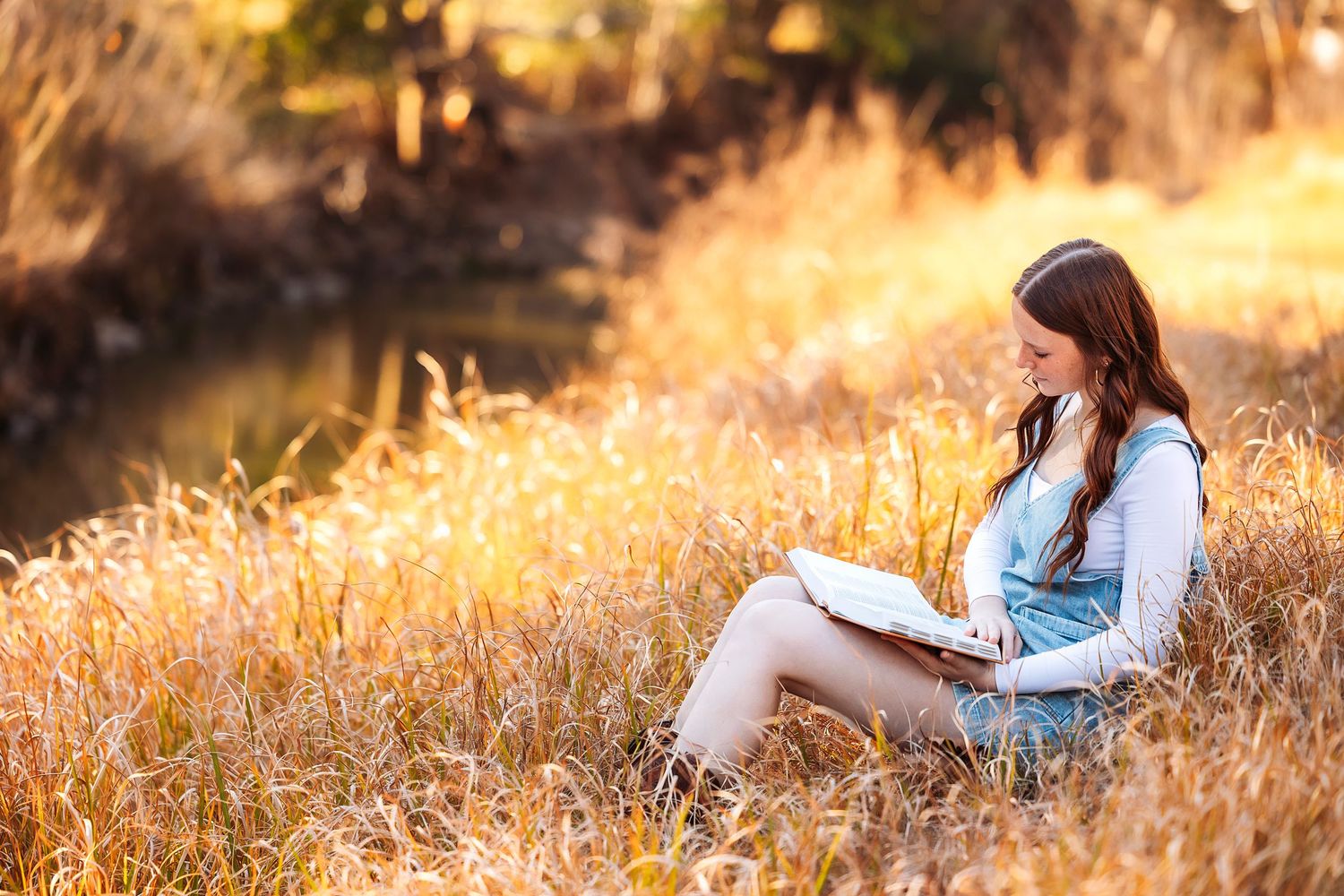
Lifestyle photography is built around connection, movement, emotion, and storytelling.
Instead of focusing primarily on perfectly arranged poses, lifestyle sessions create space for natural interaction. The goal isn’t perfection—it’s authenticity.
Rather than saying:
“Stand here and smile at the camera,”
a lifestyle photographer might say:
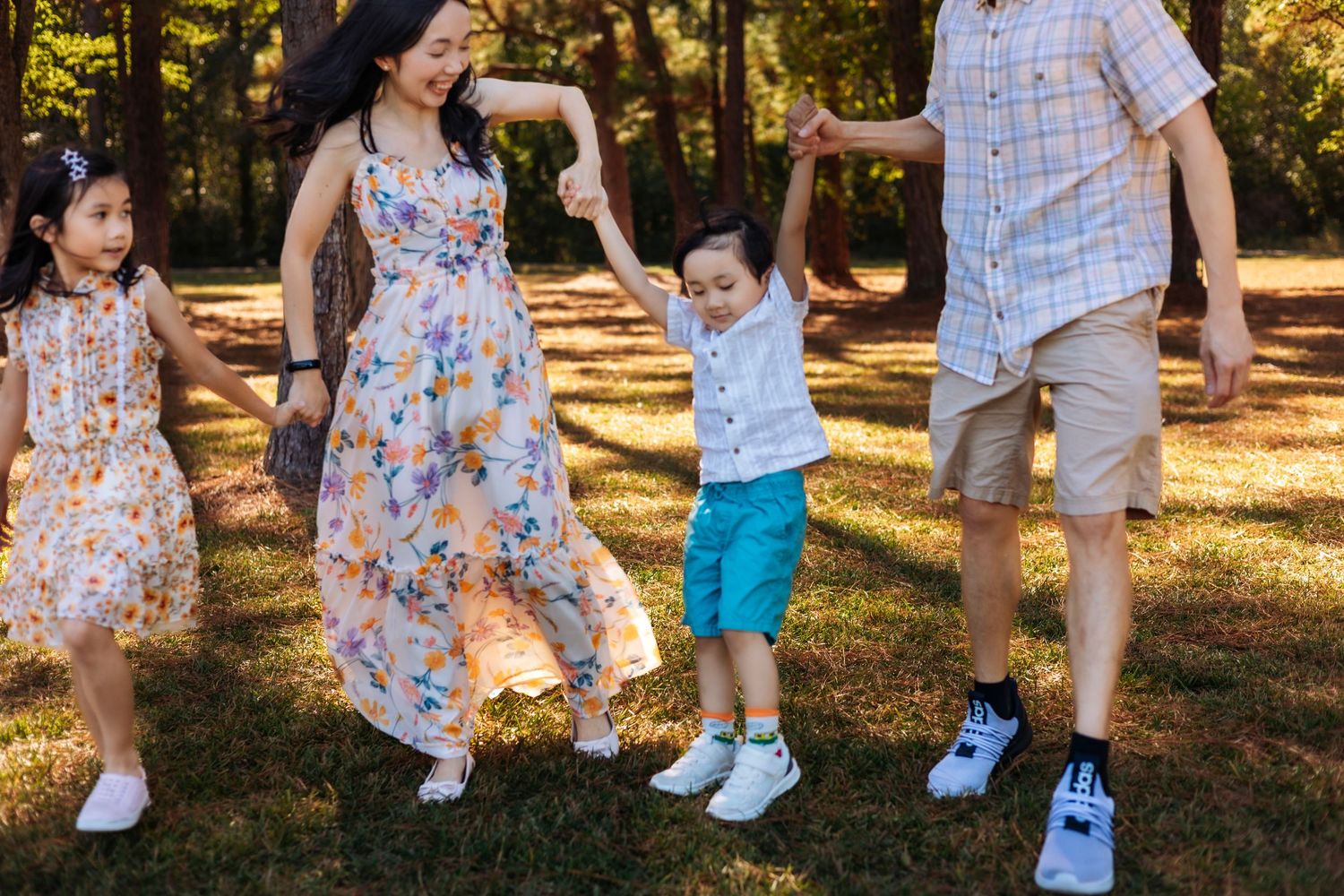
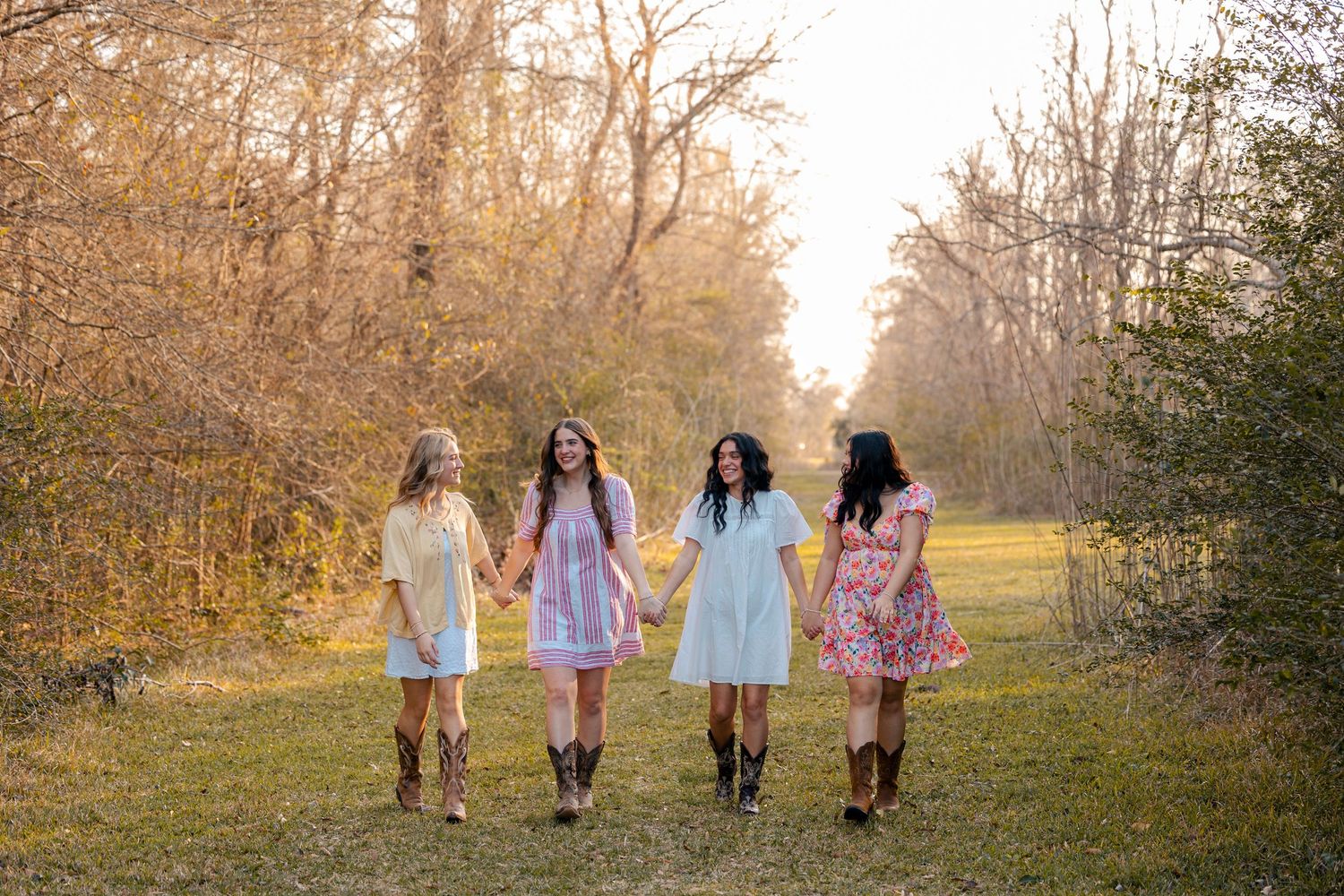
“Walk together.”
“Snuggle your babies.”
“Whisper something funny.”
“Play with her hair.”
“Hold his hand and just talk.”
The result is imagery that feels alive.
Lifestyle photography captures:
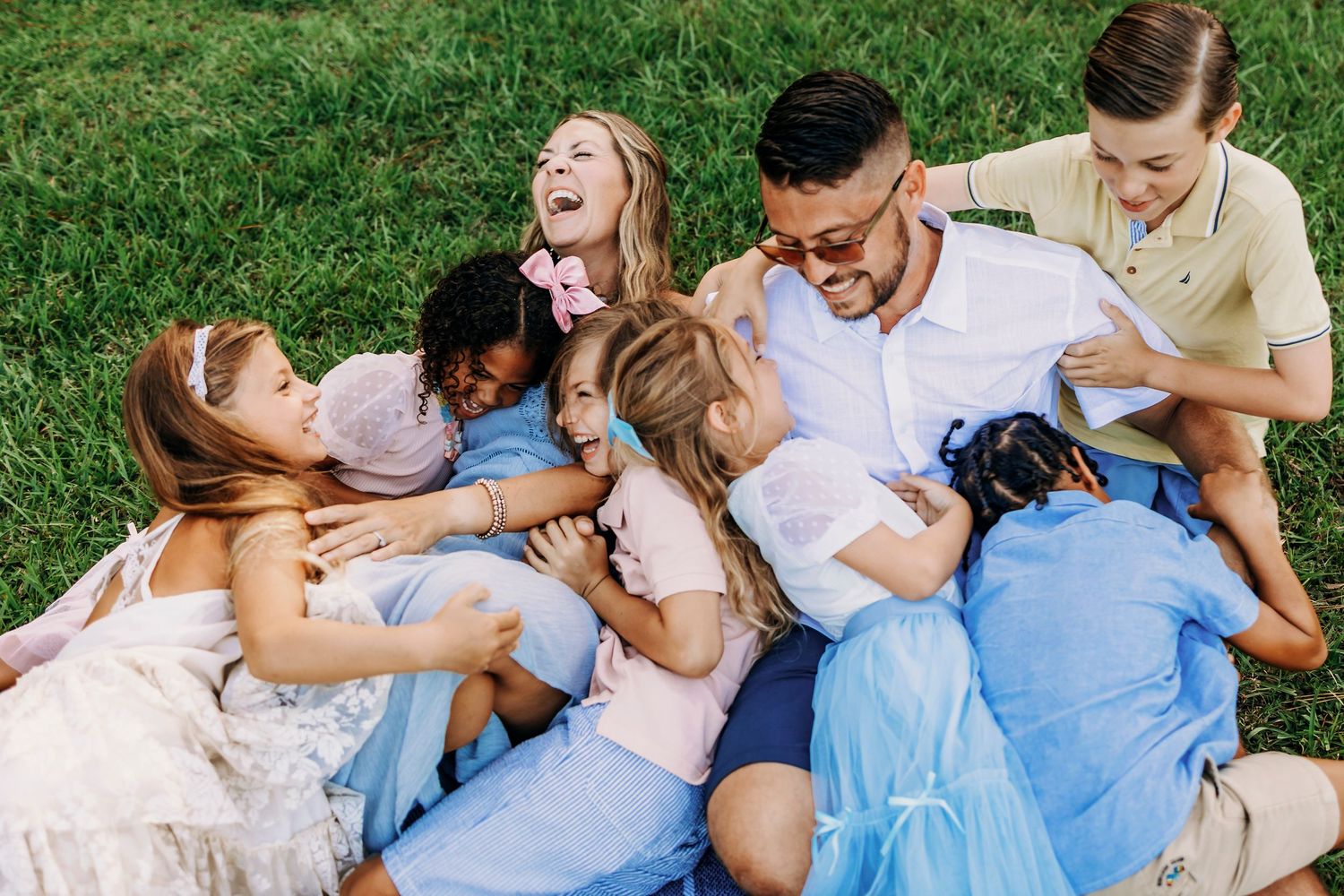
Genuine laughter
Real emotion
Natural movement
Personality and connection
The feeling of a moment instead of just the appearance of it
This style works beautifully for families, couples, motherhood, newborn sessions, and even seniors because it allows people to relax and simply be themselves.
Why I Personally Prefer a Lifestyle Approach
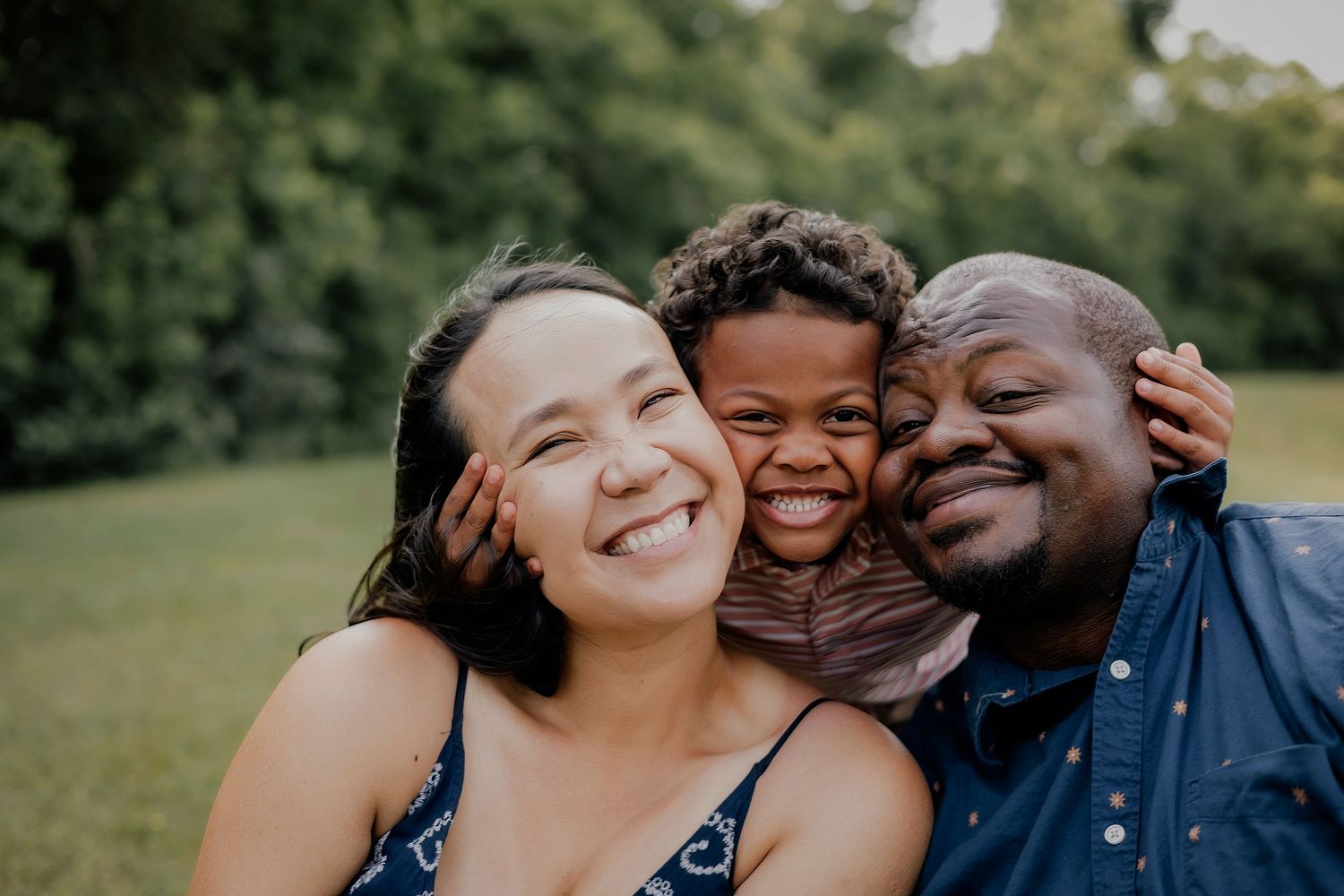
When I photograph families or couples, I’m not just documenting faces—I’m documenting relationships.
I want to capture:
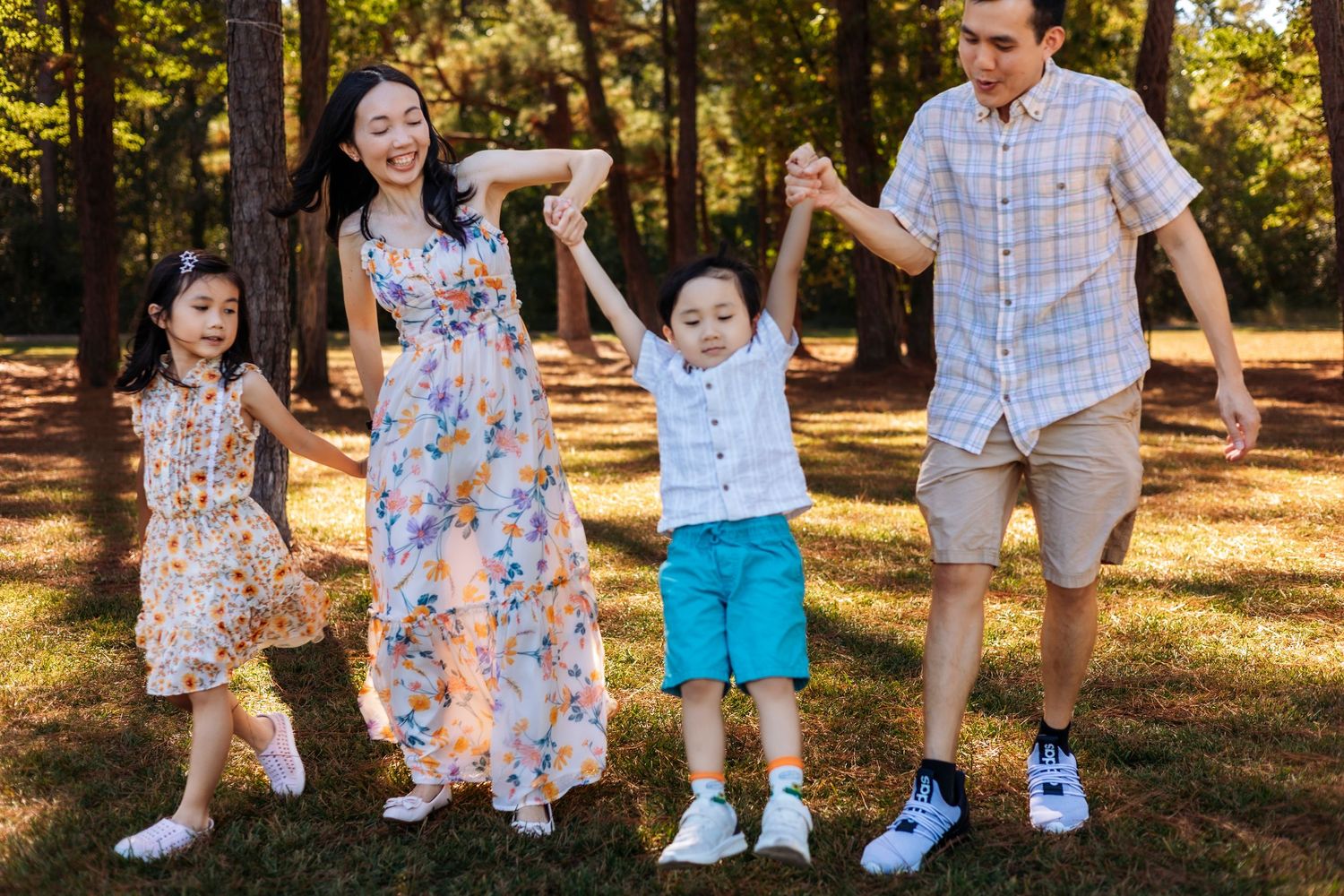
The way your toddler reaches for your hand
The way your husband looks at you when you laugh
The chaos of little kids being little kids
The in-between moments you didn’t even realize mattered
Because years from now, those are often the images people treasure most.
Not the perfectly posed one where everyone looked at the camera for two seconds.
The one where your child was wrapped around your neck laughing.
The one where your daughter held your hand without thinking.
The one where your family felt like themselves.
Lifestyle photography tells the story of your season of life exactly as it is right now.
Lifestyle Photography Does NOT Mean “No Direction”
This is a huge misconception.
People sometimes think lifestyle photography means the photographer just shows up and randomly snaps pictures while chaos unfolds. That’s not true at all.
A good lifestyle photographer is constantly guiding the session. The difference is that the direction is designed to create natural interaction instead of rigid posing.
I guide:
Movement
Lighting
Positioning
Connection
Emotion
Composition
But I do it in a way that still leaves room for authenticity.
For example, I may place a family in beautiful light and encourage them to cuddle together or walk slowly while interacting naturally. I’m still intentionally creating the image—I’m just leaving room for real emotion inside of it.
That balance is where the magic happens.
Why Lifestyle Photography Often Feels More Emotional
Our memories are rarely perfectly posed.
When you think back on childhood, you probably don’t remember everyone standing still smiling at a camera. You remember movement. Emotion. Chaos. Warmth. Tiny details.
Lifestyle photography taps into that feeling.
That’s why these images often feel more emotional when you look back at them years later. They preserve not just appearances, but personality and connection.
You remember:
The sound of laughter
The way your child fit in your arms
The way your family interacted
The feeling of being together
That emotional storytelling is what draws me to this style over and over again.
My Editing Style and How It Supports Lifestyle Photography
My editing style is earthy, true-to-color, and natural because I want the final images to feel honest and timeless.
I carefully preserve:
Natural skin tones
Rich colors
Realistic lighting
Depth in shadows
Details in highlights and whites
I avoid heavy filters or trendy edits that dramatically change the look of a scene because I want your photos to still feel like your life.
The warmth you see in my images comes from real light and real connection—not artificial editing tricks.
When combined with lifestyle photography, this editing approach helps create galleries that feel emotional, grounded, and timeless instead of overly curated or trendy.
So Which Style Is Better?
Truthfully, neither style is “better.” It depends on what you value most.
If you love polished, formal portraits with everyone perfectly looking at the camera, posed photography may be a great fit.
If you value emotion, connection, storytelling, and authenticity, lifestyle photography may speak to you more deeply.
Most photographers—including me—blend both approaches during sessions. I always make sure we capture a few images where everyone is looking and smiling, but the heart of my work lives in the in-between moments.
The movement.
The laughter.
The connection.
The realness.
Because those are usually the moments that become priceless later.
Final Thoughts
Photography is about more than documenting what people looked like. It’s about preserving what life felt like.
That’s why I’m drawn to lifestyle photography. It allows people to breathe, connect, move, laugh, and simply exist together naturally.
And in a world where so much is curated and filtered, there’s something incredibly beautiful about preserving real moments honestly.
Not perfect.
Not overly posed.
Just genuine memories you’ll want to hold onto forever.